Heat Blocking Curtains Dubai: Thermal Lining vs Blackout Lining — What’s the Difference?
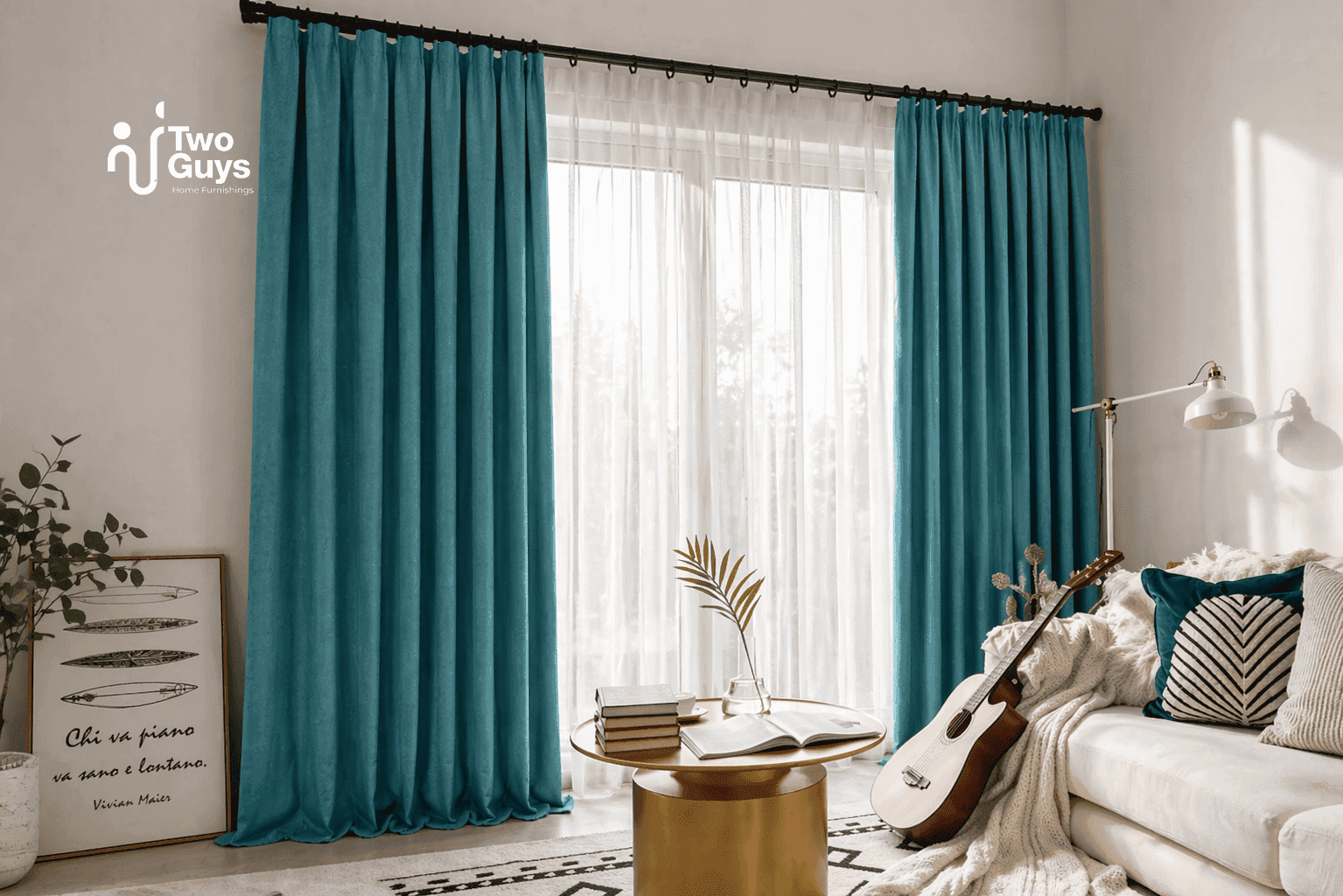
If you’ve ever stood near a window in Dubai at 4pm and thought, “Why does this corner feel warmer than the rest of the room?”, you’re not imagining it. The glass heats up, the air near the window shifts, and suddenly your AC is working harder just to keep that one zone comfortable.
That’s usually when people start searching for heat blocking curtains Dubai and get stuck at the lining question: thermal lining or blackout lining, which one actually helps?
Here’s the simple answer: they’re designed to solve slightly different problems, and the best choice depends on what you’re trying to fix. Heat. Light. Glare. Privacy. Or all of the above.
What lining actually does (in real-home terms)
Curtain lining isn’t just an “extra layer.” It changes how your curtains behave:
-
how much light gets through
-
how much glare is softened
-
how much warmth you feel near the window
-
how the room holds temperature with AC on
-
how private your bedroom feels at night
Field insight: in many Dubai apartments, people buy thicker curtains thinking “thicker equals cooler.” But lining and fit usually matter more than thickness, especially on west-facing windows.
Thermal lining vs blackout lining: the practical difference
Blackout lining
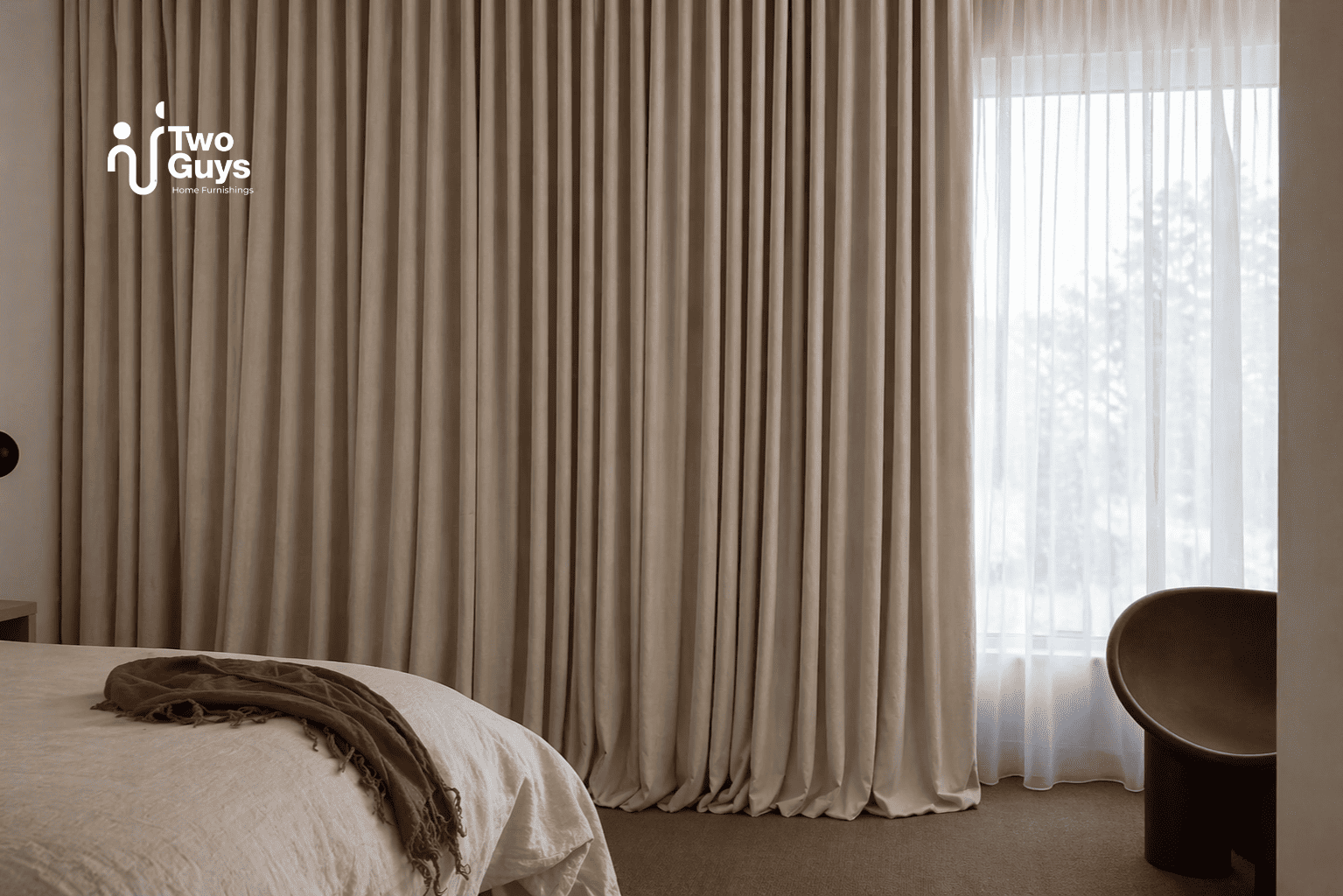
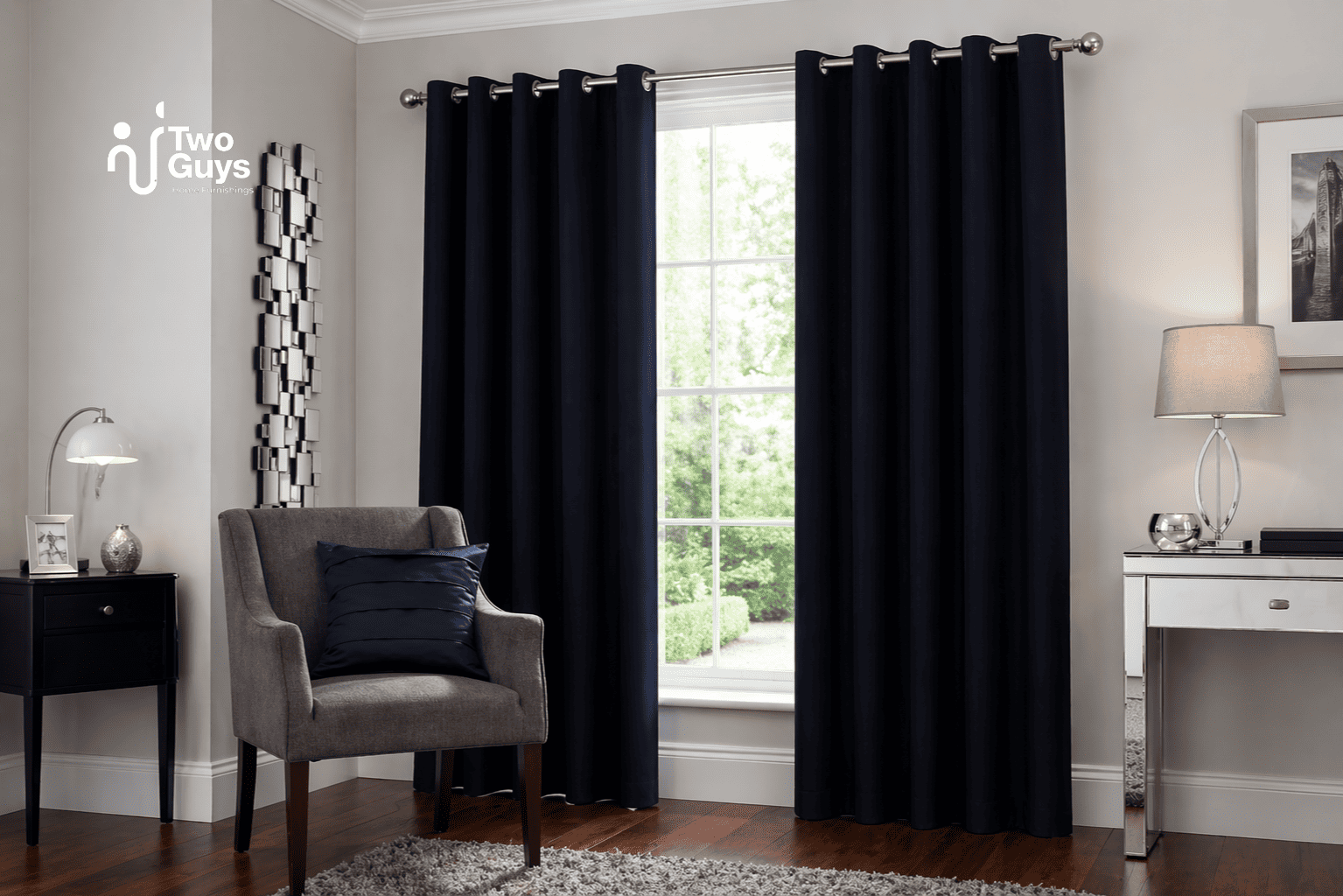
Blackout lining is primarily about light control.
It’s designed to:
-
block a high percentage of incoming light
-
improve sleep darkness (bedrooms, nurseries)
-
reduce screen glare when fully closed
-
increase night privacy
It can also help with summer comfort indirectly because less direct sunlight reaches your furniture and floors, but the main purpose is light blocking.
Best for:
-
bedrooms where sleep quality is the priority
-
nurseries where naps need predictable darkness
-
home theatres or media rooms
-
tower-facing rooms where night privacy is essential
Thermal lining
Thermal lining is primarily about comfort near the window, especially with temperature shifts.
It’s designed to:
-
create a stronger barrier between hot glass and room air
-
reduce that “warm zone” feeling near windows
-
help rooms feel steadier with AC running
-
reduce drafts in aggressively cooled rooms
Thermal lining won’t necessarily make a room dark. Many thermal options are not full blackout unless they’re combined with blackout properties.
Best for:
-
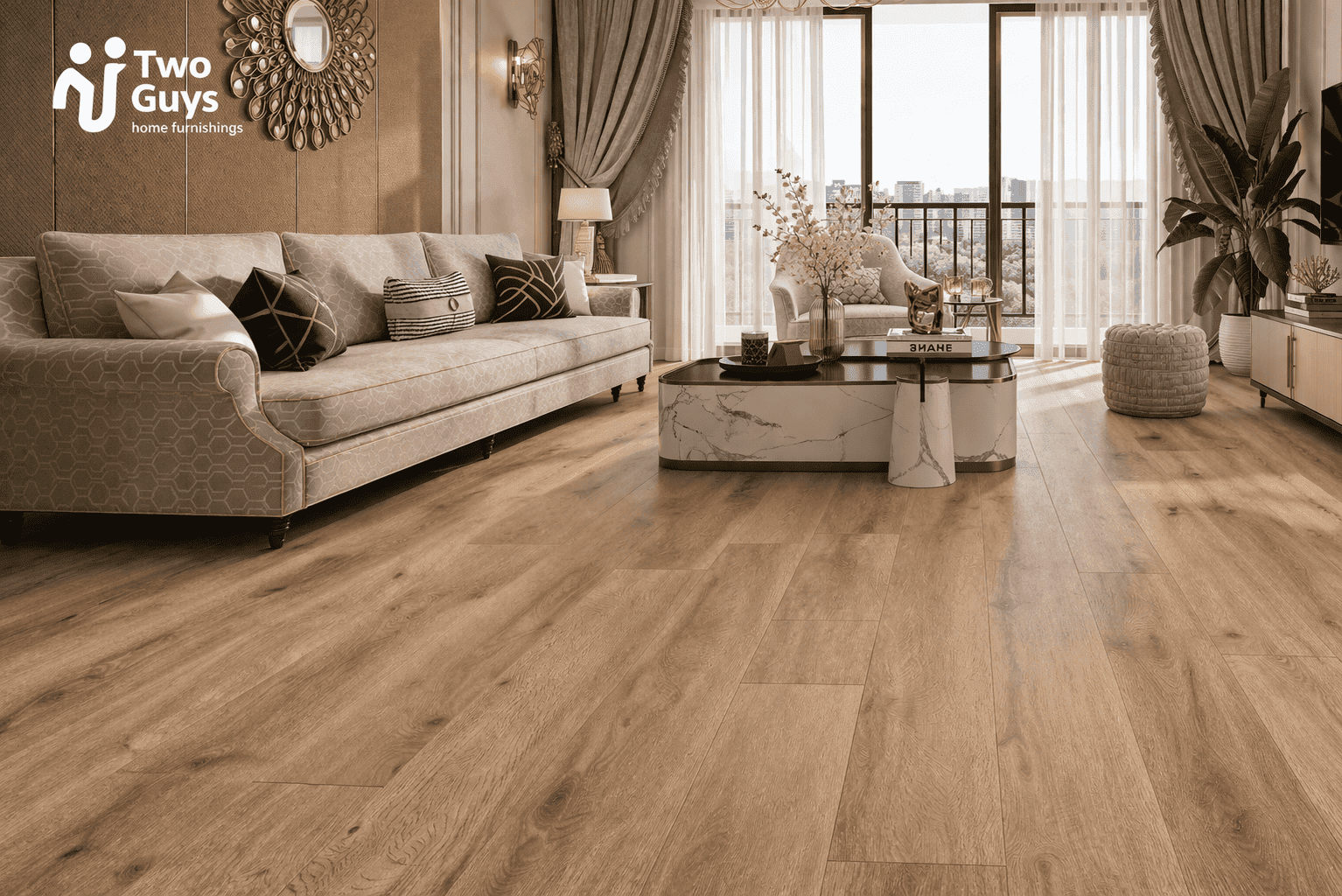
living rooms where you want daylight, but less heat discomfort
-
bedrooms where you feel cold drafts at night from AC near windows
-
rooms that get warm near the glass even when the AC is on
-
spaces where you want comfort without heavy “blackout all day” vibes
Field insight: in Dubai, the most common “heat complaint” is not the whole home. It’s the sofa area near the window and the patch of floor that feels sun-baked. Thermal lining helps most in those zones when the curtains are fitted properly.
The detail most people miss: fit decides performance
No lining performs well if light and heat are leaking around the edges.
To get real results, we plan:
-
track width beyond the window frame where possible (reduces side leaks)
-
high track placement to reduce top glow and spill
-
proper centre overlap so you don’t get the bright vertical line
-
side returns (side-lined curtains) when AC drafts push curtains away from the wall
This is why two homes can use “the same lining” and get completely different outcomes.
Which lining helps more in Dubai summer?
If your main issue is heat discomfort near the window, thermal lining usually helps more than people expect, especially on west-facing windows.
If your main issue is light and glare, blackout lining helps more.
In real Dubai homes, the best approach is often:
-
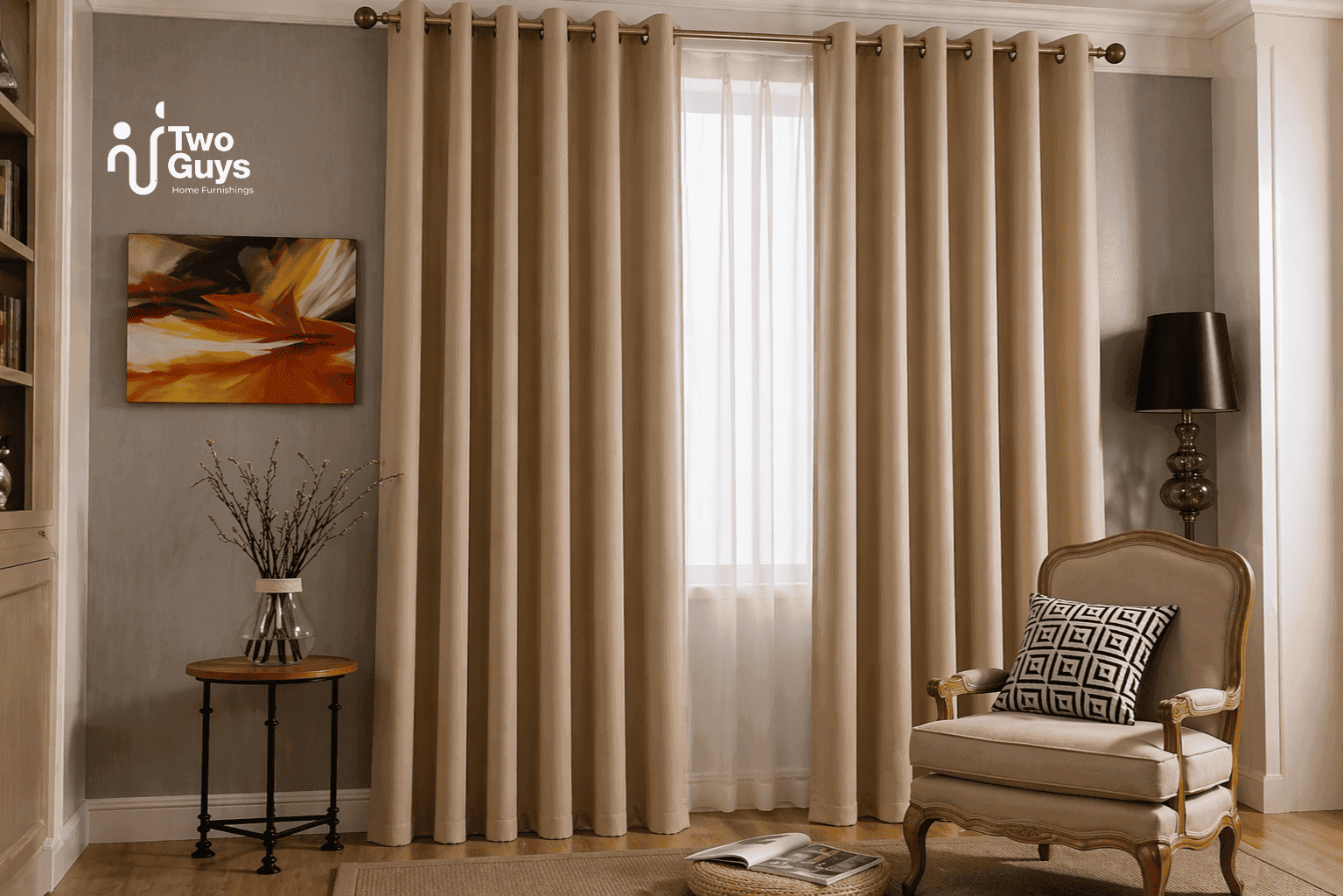
a daytime layer that keeps the room bright (sheers or light-filtering layer)
-
a lined curtain layer that you close during peak sun hours and at night
That’s how you reduce heat and glare without living in darkness.
Mini scenario: Business Bay apartment, west-facing living room
You’re in Business Bay with big windows and afternoon sun. You want the skyline view, but from 2pm onwards the living area feels hotter and glare hits the TV.
A practical setup is sheers for daytime filtering and privacy, then a thermal-lined curtain layer you close during peak sun hours and at night. You keep daylight and view most of the day, but you still have a real “comfort mode” when the sun spikes.
The short checklist: thermal lining or blackout lining?
Use this to decide quickly:
-
Do you need true darkness for sleep? (Blackout)
-
Is your main issue heat discomfort near the glass? (Thermal)
-
Do you want daylight in the room most of the day? (Thermal + sheers works well)
-
Is glare the main problem on screens? (Blackout when closed, or a daytime filtering layer)
-
Are you tower-facing and need night privacy? (Blackout)
-
Are AC drafts making the window zone feel colder at night? (Thermal)
-
Can the track extend beyond the frame to reduce side leaks? (Fit matters for both)
Common mistakes we see in Dubai homes
1) Choosing lining by label, not by room use
Bedrooms need sleep darkness. Living rooms usually need daylight plus comfort. One lining choice rarely fits the whole home.
2) Expecting thermal lining to replace blackout
Thermal helps comfort, but it does not automatically give “hotel-dark” sleep unless it’s paired with blackout properties.
3) Installing beautiful lining with poor fit
Side gaps and top glow reduce the benefit. If the curtains end at the glass edge, heat and light still sneak through.
4) Going blackout-only in living rooms, then never using it
The room feels too dark, so the curtains stay open, and the heat problem returns. Layering prevents that.
5) Ignoring AC airflow
If the AC pushes curtains away from the wall, gaps appear again. Side returns and correct track planning fix this.
Field insight: the best “heat blocking” setups in Dubai are the ones that feel normal to use daily. If it’s too dark or too bulky, people stop using it, and performance doesn’t matter.
Quick decision guide
Choose blackout lining if you want:
-
sleep-friendly darkness in bedrooms
-
better night privacy in high-rises
-
stronger screen glare control when fully closed
-
a hotel-style bedroom feel
Choose thermal lining if you want:
-
reduced heat discomfort near windows in summer
-
steadier comfort with AC running
-
a room that stays bright but feels calmer near the glass
-
less drafty window zones at night
If you want the most practical Dubai setup:
-
Sheers for daytime filtering and privacy
-
Blackout or thermal-lined curtains for peak sun hours and night
This keeps the space bright while still giving real control when you need it.
How Two Guys helps you choose the right lining (without guessing)
Thermal vs blackout is easier once we see your windows, your sunlight direction, and how you use the room. A west-facing living room needs a different strategy than a master bedroom facing another tower.
At Two Guys Home Furnishings, we keep it consult-led:
-
scheduled appointment
-
free home visit and measurements
-
fabric and lining recommendations based on your room use and window direction
-
free custom quote
-
professional installation (often completed within 2–3 days for many window covering projects, depending on scope)
-
warranty coverage on applicable products as per terms
-
payment flexibility available (Tabby / Tamara), where applicable
If you’re choosing heat blocking curtains Dubai, we’ll help you pick the lining that matches your real problem (heat, glare, or sleep), and we’ll plan the fit so the edges don’t leak.
To book a free home visit, call or WhatsApp 052 933 2833, browse options at twoguys.ae, or visit our showroom in Al Quoz.